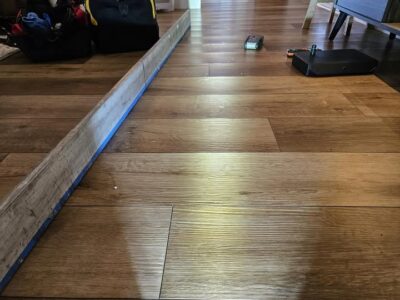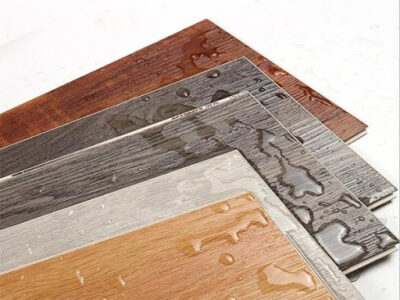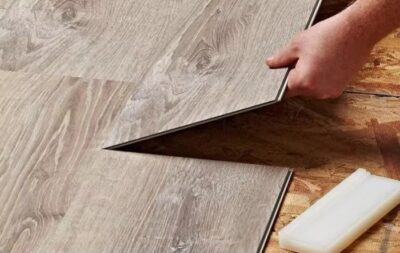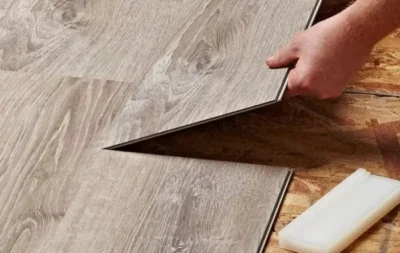
 The SPC Flooring Market is set to witness significant growth from 2025 to 2030, driven by increasing demand for durable, cost-effective, and aesthetically versatile flooring solutions across residential and commercial sectors. SPC (Stone Plastic Composite) flooring has emerged as a preferred alternative to traditional flooring materials due to its superior durability, water resistance, and easy installation, making it a key segment in the global flooring industry.
Market Overview
The SPC Flooring Market has experienced rapid adoption in regions such as North America, Europe, and Asia Pacific, where urbanization and real estate development are on the rise. SPC flooring is composed of a rigid core layer (typically limestone powder and PVC), combined with a decorative vinyl layer and a protective wear layer. This composition ensures enhanced durability, scratch resistance, and long-term performance, which has contributed to its growing popularity among end-users.
According to industry projections, the global SPC Flooring Market is expected to grow at a CAGR of 7–9% over the forecast period 2025–2030. This growth is fueled by increasing construction activities, rising awareness about sustainable and low-maintenance flooring solutions, and innovations in design and texture that cater to modern interior trends. Market research reports from Cognitive Market Research and Business Research Insights support these projections.
Key Drivers of Growth
1. Rising Demand in Residential Construction
Urban populations are expanding rapidly, particularly in Asia Pacific and North America, resulting in higher demand for residential housing. Homeowners increasingly prefer SPC flooring for its easy installation, water resistance, and variety of finishes that mimic natural wood or stone, providing a cost-effective yet premium look.
2. Commercial Sector Adoption
The commercial segment, including offices, retail spaces, and hospitality industries, is a significant driver for the SPC Flooring Market. Businesses are prioritizing low-maintenance and long-lasting flooring solutions, which reduce renovation costs and downtime, making SPC flooring a practical choice for high-traffic areas.
3. Technological Advancements
Innovations such as click-lock installation systems, enhanced wear layers, and eco-friendly materials have expanded the application of SPC flooring. These technological improvements are also facilitating customization in terms of patterns, colors, and textures, which attracts a broader customer base. For more on benefits, see Why Choose SPC Flooring.
4. Environmental and Sustainability Trends
Consumers and businesses are increasingly aware of the environmental impact of flooring materials. SPC flooring offers a more sustainable option compared to conventional laminate or hardwood flooring, as it uses recyclable materials and requires less maintenance, reducing the need for chemical cleaning products. VN Ecofloor highlights sustainable manufacturing in Vietnam SPC Flooring Hub: 5 Strong Reasons Why It’s Becoming a Global Leader.
Regional Insights
-
Asia Pacific: Affordable manufacturing costs and a growing middle-class population are key factors boosting demand.
-
North America: Rising preference for DIY-friendly flooring solutions and renovation activities in residential and commercial spaces are propelling market growth.
-
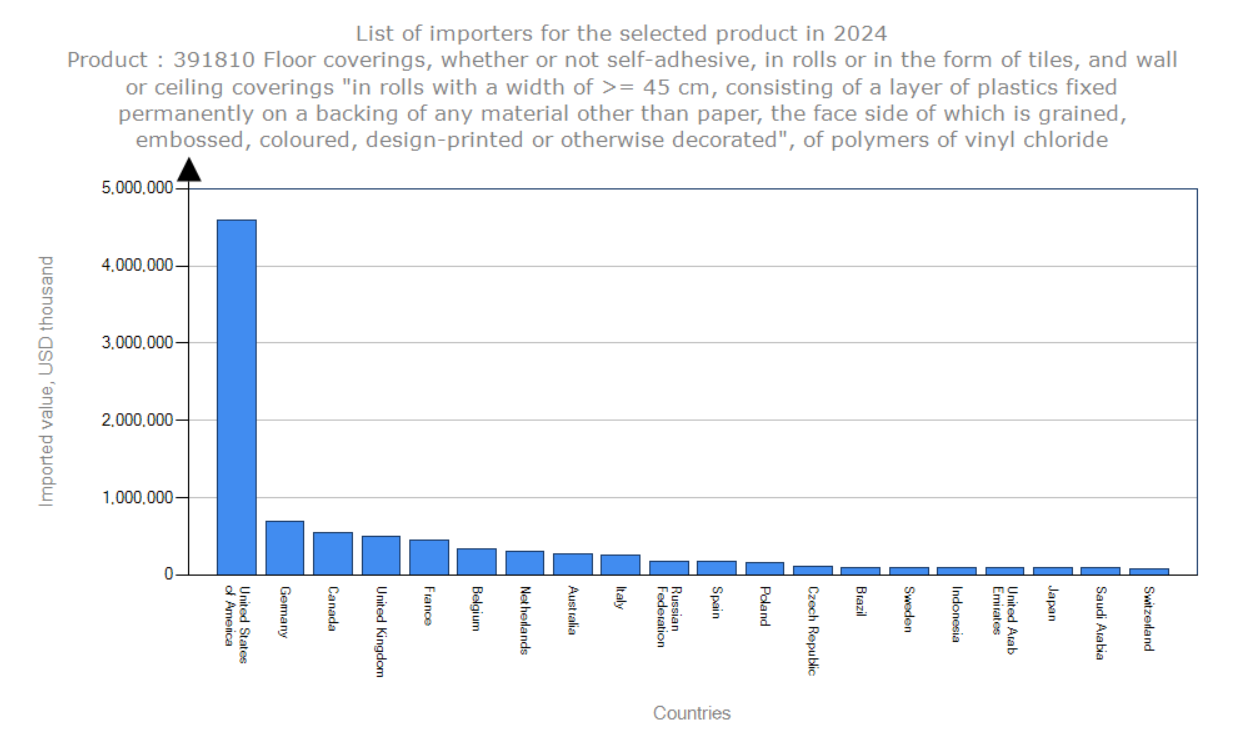
Europe: Sustainability regulations and demand for premium interior design aesthetics are driving adoption. Germany, the UK, and France are key markets.
-
Rest of the World: Emerging economies in Latin America and the Middle East are gradually increasing their adoption of SPC flooring, supported by infrastructural development and urbanization.
Competitive Landscape
The SPC Flooring Market is highly competitive, with leading players focusing on product innovation, strategic partnerships, and regional expansions. Companies such as VN Ecofloor have emphasized export capability and technology adoption to capture global share. For example, VN Ecofloor compares its capabilities against China in China vs Vietnam SPC Flooring: Which Is Better for Importers in 2025?.
Investments in R&D are enabling these players to offer innovative products such as waterproof SPC floors, embossed textures, and enhanced wear layers, meeting evolving consumer demands. Global market reports from Market Research Future highlight these competitive trends and the expected market expansion.
Challenges in the Market
Despite strong growth, the SPC Flooring Market faces challenges such as high initial costs in certain regions, raw material price fluctuations, and competition from traditional flooring types (hardwood, laminate, tile). Moreover, installation quality plays a crucial role in performance, which can affect consumer perception if not properly managed.
Future Outlook (2025–2030)
The SPC Flooring Market is expected to continue its upward trajectory through 2030. Trends such as smart home integration, increasing renovations of older properties, and eco-conscious consumer behavior are likely to drive further demand. Market players are investing in digital marketing, e-commerce channels, and global distribution networks to capture larger share and respond to changing consumer preferences.
Innovations like hybrid SPC flooring that combines enhanced sound insulation and thermal comfort are expected to open new market opportunities, especially in luxury residential and hospitality segments. As sustainability and cost-efficiency remain top priorities, SPC flooring is positioned to remain a preferred choice for both homeowners and businesses.
Conclusion
The SPC Flooring Market is entering a phase of robust growth and technological evolution. With increasing adoption across residential, commercial, and industrial sectors, coupled with innovations in materials and design, SPC flooring is poised to redefine global flooring standards from 2025 to 2030. Companies that focus on quality, sustainability, and consumer-centric innovations will likely lead the market in the coming years.