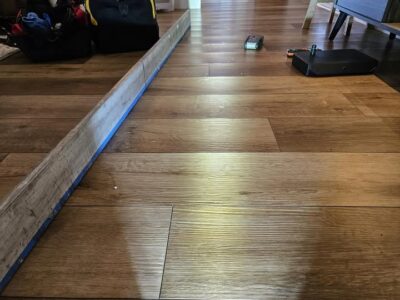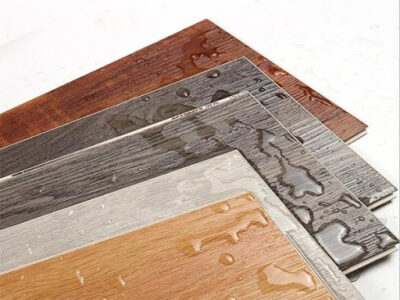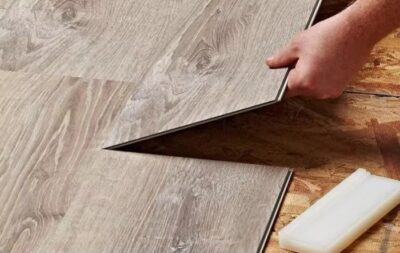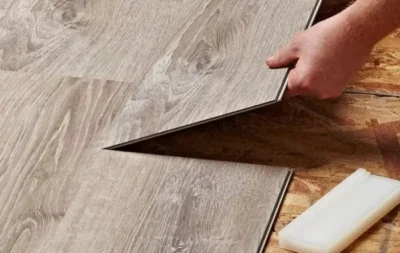
The global flooring industry is rapidly evolving, and one of the most significant innovations driving this change is Rigid Core Technology in SPC Flooring. This technology has transformed SPC (Stone Plastic Composite) flooring into one of the most durable and stable materials available today. Thanks to Rigid Core Technology in SPC Flooring, it offers exceptional strength, waterproof performance, and long-term dimensional stability that outperform traditional vinyl and laminate floors.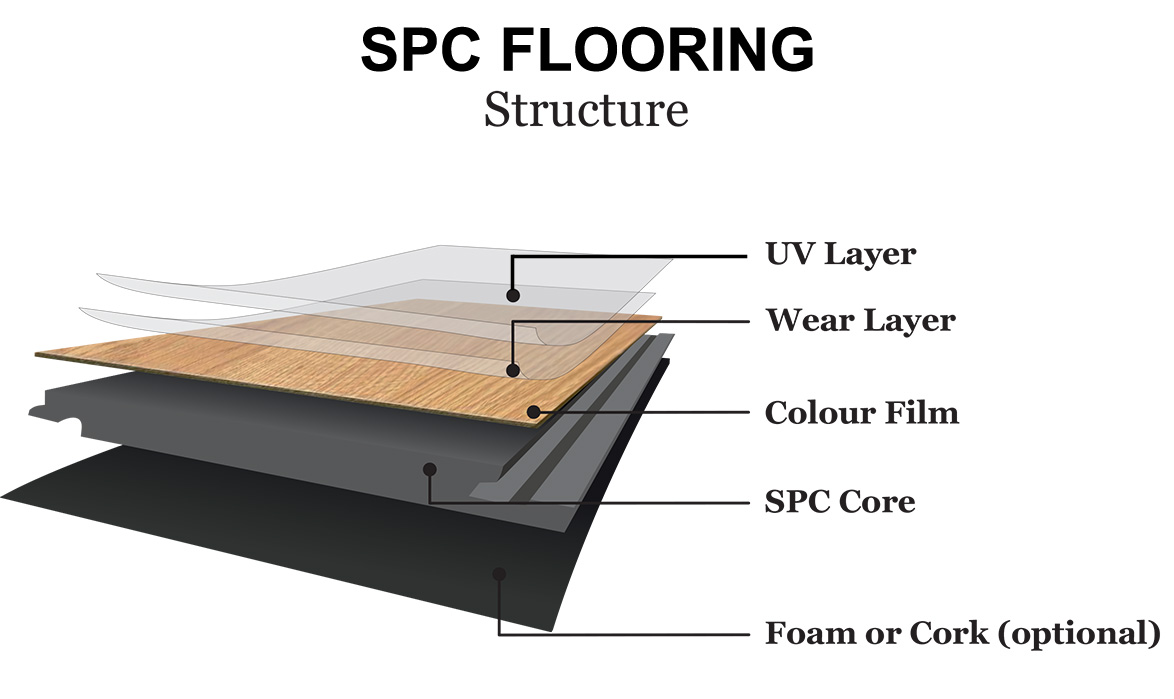
What Is Rigid Core Technology?
Rigid core technology refers to the dense, high-strength composite layer at the center of SPC flooring. This core layer is typically made from a blend of natural limestone powder, polyvinyl chloride (PVC), and stabilizers. The result is a dimensionally stable and ultra-durable core that resists impact, indentation, and moisture — challenges that often affect traditional flooring types like laminate and wood.
This rigid structure provides the foundation for SPC flooring’s well-known benefits:
-
Superior dimensional stability — it doesn’t expand or contract easily with temperature changes.
-
High resistance to moisture and humidity, making it ideal for kitchens, bathrooms, and basements.
-
Exceptional impact resistance, protecting against dents and heavy foot traffic.
As a result, SPC flooring with rigid core technology performs consistently across diverse environments and is well-suited for both residential and commercial applications.
How Rigid Core Technology Enhances Durability
1. Dimensional Stability Under Stress
One of the biggest advantages of Rigid Core Technology in SPC Flooring is its ability to maintain shape and structure even under extreme conditions. The limestone-based core ensures the floor remains flat and stable, preventing issues like warping or buckling that commonly occur with traditional vinyl or wood flooring.
For importers and builders, this stability translates to lower maintenance and longer lifespan — a key selling point in high-traffic or humid regions.
2. Resistance to Water and Humidity
Unlike laminate or wood, SPC flooring is 100% waterproof. Its rigid core layer acts as a moisture barrier, preventing absorption and swelling even in wet environments. This makes it a top choice for coastal climates or areas with high humidity.
VN Ecofloor, for instance, highlights this advantage in its product guide Why Choose SPC Flooring, showing how rigid core technology makes SPC a more reliable option for long-term performance.
3. Enhanced Impact and Dent Resistance
The dense core structure of SPC flooring absorbs shock and distributes weight evenly, making it more resistant to dents caused by heavy furniture or foot traffic. This feature is especially valuable in commercial projects like hotels, offices, and retail spaces where flooring faces constant wear and tear.
4. Improved Sound and Comfort Performance
Modern rigid core SPC floors often come with integrated underlayment layers that improve sound insulation and walking comfort. The core’s rigidity helps reduce noise transmission between floors, offering a more comfortable experience while maintaining structural strength.
The Structure Behind Rigid Core SPC Flooring
A typical SPC flooring plank consists of five layers:
-
UV Coating – protects against scratches and fading.
-
Wear Layer – resists abrasion and stains.
-
Decorative Film – provides realistic wood or stone patterns.
-
Rigid Core Layer – ensures stability and strength.
-
Underlayment (optional) – adds sound insulation and comfort.
The rigid core layer is the heart of SPC flooring, combining limestone and PVC to deliver the best of both worlds — the look of natural materials with industrial-level toughness.
Why Rigid Core Technology Sets SPC Flooring Apart
Rigid core SPC flooring outperforms traditional LVT (Luxury Vinyl Tile) and laminate in nearly every durability metric. Its stone-composite composition gives it the structural rigidity of ceramic tiles without the fragility or installation complexity.
Moreover, its click-lock system allows easy installation over almost any subfloor, saving labor and time. This makes SPC flooring particularly attractive for developers and importers looking for low-maintenance yet high-value products.
For more insights, you can explore China vs Vietnam SPC Flooring: Which Is Better for Importers in 2025? — an internal resource comparing manufacturing quality and durability factors among key production countries.
Global Market Perspective
According to a Cognitive Market Research report, the SPC Flooring Market is projected to grow steadily between 2025–2030 due to advancements in rigid core technology and increasing adoption in residential and commercial sectors. The demand for waterproof, durable, and design-flexible flooring is expected to keep pushing innovation in core material composition and surface wear technology.
This growth trend aligns with sustainable construction goals, as SPC flooring requires minimal maintenance and lasts longer than traditional flooring materials.
Conclusion
The Rigid Core Technology in SPC Flooring is more than just a manufacturing innovation — it’s the backbone of what makes SPC flooring one of the most durable and versatile options on the market today. From water resistance to structural stability and impact protection, rigid core technology ensures that SPC flooring delivers exceptional performance even in demanding environments.
As the global SPC flooring market continues to expand, this core innovation will remain a critical factor driving its growth and reputation for reliability. For importers, designers, and builders seeking flooring that combines strength, beauty, and longevity, SPC flooring with rigid core technology is a smart, future-ready choice.