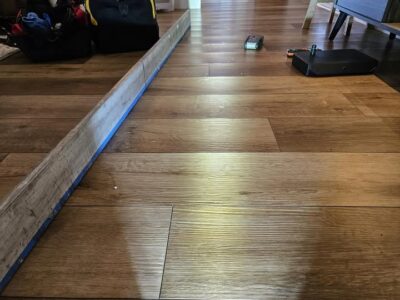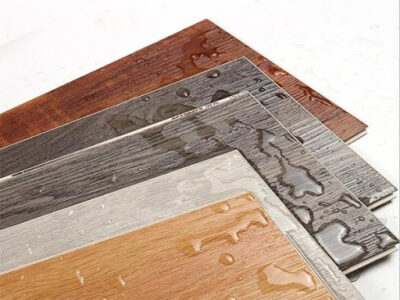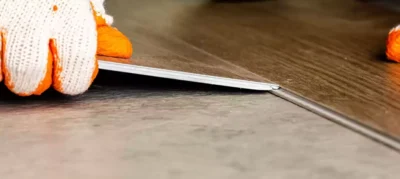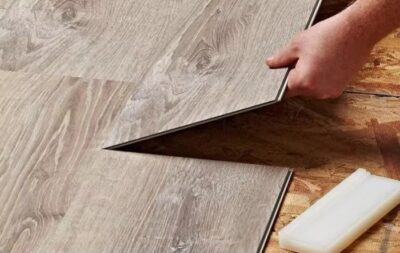
Ever wondered how SPC flooring is made? This innovative material combines advanced extrusion technology and surface finishing to create one of the most durable and stable flooring products in the world. Understanding how SPC flooring is made reveals why it stands out for waterproof performance, dimensional stability, and realistic design. From the co-extrusion of layers to UV coating and underlayment lamination, every stage of how SPC flooring is made contributes to its superior quality and appeal.
1. Raw Material Preparation: The Foundation of SPC Flooring
The process begins with mixing key raw materials — limestone powder, PVC resin, and stabilizers. These ingredients are carefully proportioned and blended to achieve a balanced formula that ensures density, rigidity, and heat resistance.
Once prepared, the mixture is fed into the extrusion line, where heat and mechanical force transform it into a molten, formable compound. This sets the stage for creating the rigid SPC core.
⚙️ 2. Co-Extrusion Process: Creating Core, Film, and Wear Layer Together
This is the most critical stage in how SPC flooring is made.
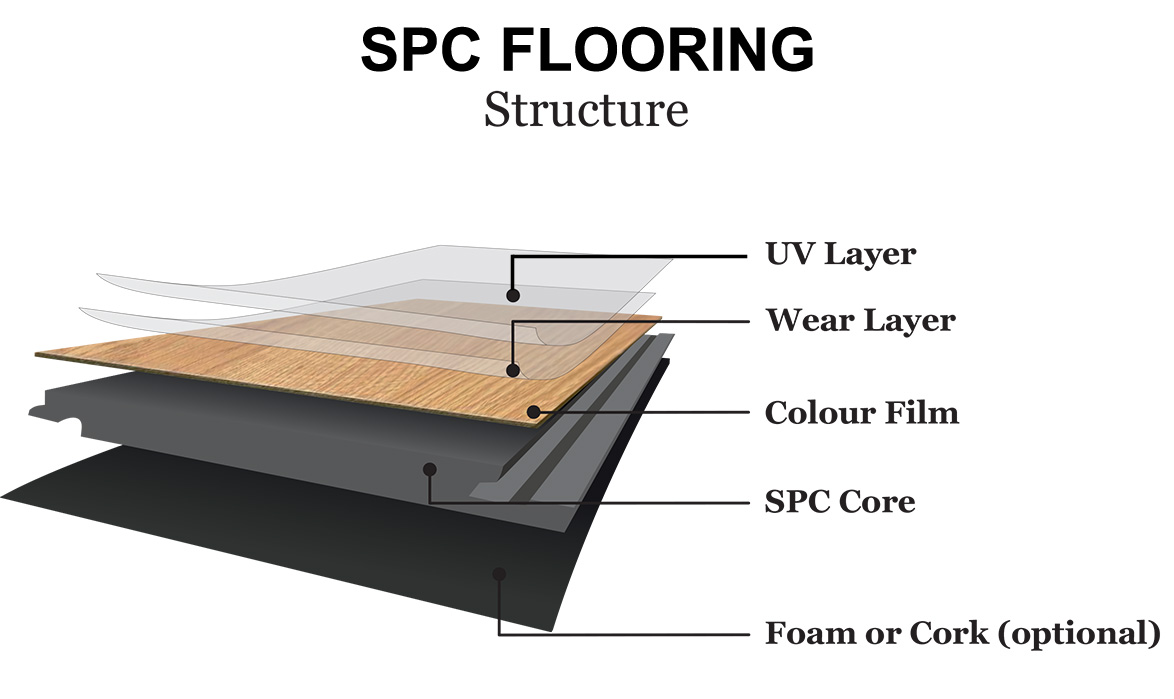
Using co-extrusion technology, three essential layers — the SPC core, decorative film, and transparent wear layer — are fused simultaneously in a single continuous process.
Here’s how it works:
-
The SPC core provides rigidity and dimensional stability.
-
The decor film adds the printed wood or stone pattern.
-
The wear layer forms a protective shield against scratches and stains.
These layers are bonded together while still hot, ensuring perfect adhesion without the need for glue. The result is a stable, multi-layer sheet with high strength and no delamination.
3. UV Coating Application: Surface Protection and Gloss Control
Once the co-extruded sheet cools, it passes through a UV coating line.
Here, a thin layer of UV-cured polyurethane (PU) is evenly applied to the surface, then hardened under ultraviolet lamps.
This step provides:
-
Stain and chemical resistance
-
Anti-fading protection against sunlight
-
Gloss level adjustment (matte, semi-matte, or high gloss)
-
Easy-to-clean surface
The UV coating not only protects the decorative layer but also enhances visual depth, ensuring the pattern stays vivid for years.
4. Underlayment Lamination: Comfort and Noise Reduction
After the surface treatment, an underlayment (commonly IXPE, EVA, or cork) can be attached to the back of the SPC plank. This is done through hot-melt adhesive lamination or inline thermal bonding.
The underlayment provides:
-
Sound insulation, reducing footstep noise
-
Extra comfort underfoot
-
Better installation performance, masking small subfloor irregularities
While optional, pre-attached foam has become increasingly popular as it saves installers time and eliminates the need for separate padding during installation.
5. Cooling, Cutting, Profiling, and Quality Inspection
The cooled SPC sheets are trimmed and cut into planks or tiles, then moved to profiling machines where precise click-lock systems (Unilin or Valinge) are milled.
These locking edges allow for easy, glue-free installation — one of SPC’s key advantages over traditional vinyl or laminate.
Finally, each batch goes through quality control tests including:
-
Thickness and dimension measurement
-
Wear resistance and color stability tests
-
Water and heat resistance verification
Only after passing all tests are the planks packaged and prepared for shipment.
Sustainability and Modern Manufacturing
Modern SPC flooring plants emphasize eco-friendly production, using recycled PVC materials, low-VOC stabilizers, and energy-efficient co-extrusion lines. This reduces waste while maintaining high mechanical performance.
As technology evolves, manufacturers continue to enhance rigid core formulations, UV coatings, and surface embossing, ensuring SPC remains at the forefront of modern flooring innovation.
Learn More About SPC Flooring
For more detailed insights about SPC flooring — from technology to market trends — visit VN Eco Floors.
You can also explore global flooring updates from Floor Covering News and Floor Trends Magazine.