1. Why Choosing the Right SPC Flooring Thickness Matters
When you choose SPC flooring thickness, you are deciding how your floor will feel, sound, and perform for years to come. SPC (Stone Plastic Composite) flooring is known for its strength, waterproof properties, and easy installation — but thickness plays a major role in its comfort and durability.
SPC planks typically range from 3.5mm to 9mm, and understanding which thickness fits your needs can help you make the best investment for your project.
2. Understanding SPC Flooring Structure
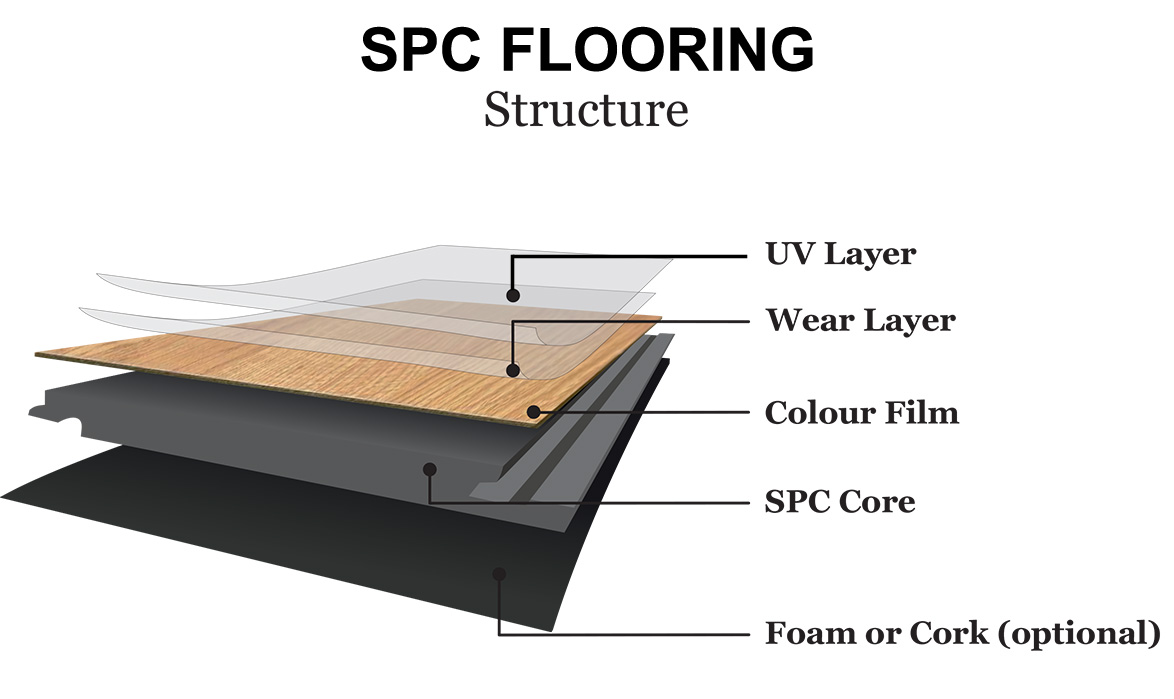
Before you choose SPC flooring thickness, it’s important to understand its core structure:
-
UV Layer – protects against scratches and fading.
-
Wear Layer – increases resistance to stains and abrasion.
-
Decor Film – replicates natural wood or stone patterns.
-
SPC Core Layer – dense composite of limestone and PVC that defines rigidity.
-
Underlayment (optional) – adds sound reduction and comfort underfoot.
The core layer thickness determines overall stability, while the wear layer thickness determines surface durability. Both factors work together to deliver long-term performance.
3. Common SPC Flooring Thickness Options
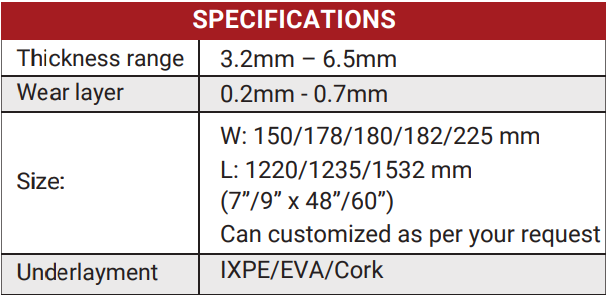
To choose SPC flooring thickness correctly, consider the most common options:
| SPC Thickness | Best Use | Advantages |
|---|---|---|
| 3.5mm – 4mm | Apartments, light residential | Lightweight, affordable, easy to install |
| 4.5mm – 5mm | Homes and offices | Balanced performance, moderate price |
| 5.5mm – 6.5mm | High-traffic areas | Enhanced durability and comfort |
| 7mm – 9mm | Commercial or luxury homes | Maximum stability and acoustic insulation |
Generally, 4mm–6mm SPC flooring is most popular for home renovation, offering a perfect balance between comfort and cost.
4. How to Choose SPC Flooring Thickness Based on Project Type
For Residential Projects:
If you’re installing in bedrooms, living rooms, or small apartments, a 4mm to 5mm SPC floor is ideal. It’s durable enough for daily use while staying affordable and lightweight.
For Commercial Spaces:
For offices, shops, or public areas, go for 5.5mm to 6.5mm SPC flooring with a strong wear layer (≥0.5mm). It ensures resistance to heavy foot traffic.
For Luxury Homes or Hotels:
When acoustic comfort and premium feel matter, 7mm to 9mm SPC floors are recommended. They reduce noise and feel more stable underfoot.
Read more about SPC technology at Floor Covering Weekly)
5. The Role of Underlayment and Subfloor
When you choose SPC flooring thickness, don’t forget the underlayment.
A built-in IXPE or EVA underlayment improves:
-
Sound insulation
-
Walking comfort
-
Thermal performance
If your SPC flooring doesn’t have a pre-attached underlayment, consider installing a separate one to enhance the experience.
6. Key Factors to Consider Before You Choose SPC Flooring Thickness
-
Traffic Level: High-traffic areas require thicker cores and wear layers.
-
Subfloor Condition: Uneven or older subfloors benefit from thicker SPC flooring.
-
Budget: Thinner SPC is cheaper but less stable. Thicker SPC provides better value long-term.
-
Comfort: The thicker the floor, the quieter and softer it feels underfoot.
7. Professional Tips for Importers and Contractors
For importers or project managers sourcing from Vietnam or China, selecting SPC flooring between 4mm and 6.5mm ensures the best cost-performance ratio.
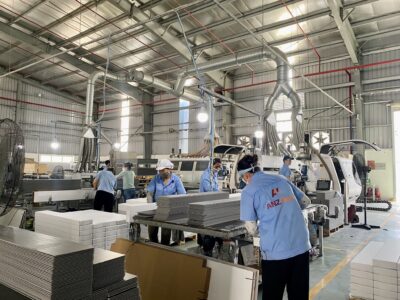
Vietnamese factories like VN Ecofloor JSC and ANZ Flooring are known for stable quality, certified click systems (Unilin, Valinge, i4F), and competitive export pricing.
Top 1 Vietnam SPC Flooring Manufacturer
Conclusion
Knowing how to Choose SPC Flooring Thickness is crucial to achieving the right balance between performance, durability, and comfort. Whether for homes, offices, or commercial spaces, thickness affects every aspect — from soundproofing to lifespan.
By understanding your project’s needs and consulting trusted SPC manufacturers, you’ll ensure your flooring investment is both beautiful and long-lasting.